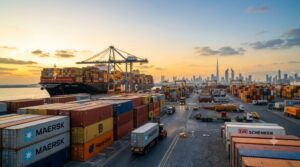

Dubai is one of the busiest trading hubs in the world. With Jebel Ali Port, a strong logistics network, and no personal income tax, it is a natural base for anyone who wants to buy and sell goods across borders. The first thing you need is the right license.
This guide explains how to get an import export license in Dubai, what it costs, which documents you need, and how foreigners can set up a trading company with full ownership.
What Is an Import Export License in Dubai?
An import export license is a trade license that allows your company to bring goods into the UAE and sell or ship them to other markets. In practice, this usually means a trading license with import and export activities listed on it. Some people call it a general trading license when it covers many product categories.
Having the license alone is not enough to clear shipments. You also need an importer exporter code from Dubai Customs, which links your company to the customs system.
Can a Foreigner Get an Import Export License in Dubai?
Yes. Foreign investors can get an import export business license in the UAE. Thanks to reforms in recent years, most trading activities on the mainland now allow 100% foreign ownership, so a local sponsor is no longer required for many activities. Free zones have always offered full foreign ownership.
Always confirm that your specific activity qualifies, because some regulated products need extra approvals.
Mainland vs Free Zone: Which Is Better for Import Export?
Choosing where to register is the biggest decision you will make. It affects your cost, your market access, and your visa options.
Dubai mainland license
- Issued by Dubai Economy and Tourism (DET)
- Lets you trade directly inside the UAE market
- Requires a physical office with an Ejari tenancy contract
- Better if you plan to sell to local retailers, companies, and consumers
Free zone license
- Issued by zones such as JAFZA, DMCC, DAFZA, or Dubai South
- Offers 100% foreign ownership and simple setup
- Often allows a flexi desk instead of a full office
- Best for reexport, international trade, and goods stored in the zone
- Selling directly in the UAE mainland usually needs a distributor or an additional license
If you mainly plan to import goods and ship them abroad, a free zone is often the cheaper and faster route. If your customers are in Dubai and the wider UAE, the mainland is usually the better fit.
Step by Step: How to Get an Import Export License in Dubai
Step 1: Choose Your Business Activity
Decide exactly what you will trade. Food, electronics, auto parts, textiles, cosmetics, and jewelry all fall under different activity codes, and some need special permits. Picking the right import export activity code in Dubai at the start avoids delays later.
Step 2: Select Mainland or Free Zone
Use the comparison above, then pick your authority or free zone. Compare packages carefully, because the cheapest option on paper may not suit your trading model.
Step 3: Reserve a Trade Name
Your company name must follow UAE naming rules. It cannot include offensive words, religious references, or the names of government bodies. Check availability and reserve it with your chosen authority.
Step 4: Get Initial Approval
The licensing authority reviews your activity and shareholder details, then issues initial approval so you can move forward.
Step 5: Arrange Your Office or Flexi Desk
Mainland companies need an Ejari registered tenancy contract. Free zones usually include a flexi desk, shared office, or warehouse option in their packages. If you plan to hold stock, ask about warehouse space early.
Step 6: Prepare and Sign Your Legal Documents
Depending on the structure, you will sign a Memorandum of Association (MOA) or a Local Service Agent agreement. Free zone companies sign the zone’s standard incorporation forms.
Step 7: Pay Fees and Receive Your Trade License
Once documents and payments are complete, your import export trade license in Dubai is issued. This often takes a few working days in a free zone and one to three weeks on the mainland, depending on approvals.
Step 8: Register With Dubai Customs
Register on the Dubai Trade portal to receive your customs code. This lets you submit declarations through the Mirsal 2 customs system. Without this code, you cannot clear goods through ports or airports.
Step 9: Open a Corporate Bank Account
Open a business account to receive payments and pay duties. Banks may ask for your business plan, trade contracts, and proof of your supply chain, so prepare these in advance.
Step 10: Apply for Visas
Your license quota sets how many employee visas you can hold. Investor and manager visas are usually the first to be processed.
Documents Required for an Import Export License in Dubai
Requirements vary by authority, but most applications ask for:
- Passport copies of all shareholders and managers
- Passport size photographs
- UAE visa and Emirates ID copies, if you live in the UAE
- No objection certificate, if you are on a sponsored visa
- Business plan or activity description
- Tenancy contract or flexi desk agreement
- Signed MOA or incorporation forms
- Approvals from special authorities for restricted goods
Import Export License Cost in Dubai
The Dubai import export license cost depends on your location, activity, and package. As a rough guide, free zone packages often start from around AED 12,000 to AED 30,000 or more, while mainland setups commonly range from AED 15,000 to AED 50,000 or more once office rent and approvals are included. Visa costs, Chamber of Commerce membership, and customs registration are usually extra.
These figures change often, so confirm current trade license fees in Dubai with the authority or a licensed consultant before budgeting.
How Long Does It Take?
Free zone licenses are often ready within 3 to 10 working days. Mainland licenses typically take one to three weeks. Customs registration and bank account opening can add more time, so plan for a full month before you ship your first order.
License Renewal and Compliance
Your trade license must be renewed every year. Keep your tenancy contract valid, pay fees on time, and update customs records when your activities change. Remember that importers and exporters also need to handle UAE VAT, correct HS code classification, and certificates of origin from the Dubai Chamber of Commerce when required.
Common Mistakes to Avoid
- Picking an activity that does not match the goods you actually trade
- Choosing a free zone but expecting to sell freely in the mainland
- Forgetting the customs code after receiving the license
- Ignoring special approvals for food, cosmetics, or medical items
- Budgeting only for the license and not for visas, rent, and banking
Frequently Asked Questions
What license do I need to import and export goods in Dubai?
You need a trade license that includes import and export activities, plus a customs code from Dubai Customs.
Can a foreigner get an import export license in Dubai?
Yes. Foreigners can own 100% of a trading company in a free zone and in most mainland activities.
What is the difference between a general trading license and an import export license?
A general trading license covers a wide list of product categories, while a specific import export license is limited to the goods named on it. Many businesses choose a general license for flexibility.
Do I need a customs code to import goods into Dubai?
Yes. Registering with Dubai Customs is required before you can clear shipments.
Which free zone is best for import export?
It depends on your products and budget. JAFZA suits large scale logistics, DMCC suits commodities and global trade, and Dubai South suits businesses linked to the airport and e commerce.
Can I get an import export license without office space?
Many free zones offer flexi desk packages, which are a low cost option for new traders.
Final Thoughts
Getting an import export license in Dubai is simple once you know the right order of steps. Decide your activity, choose between mainland and free zone, secure the license, register with Dubai Customs, and set up banking. A licensed business setup consultant can handle approvals and paperwork so you avoid costly delays.